

Alternatives to ShadowLock
ShadowLock is the shadow AI detection platform that gives MSPs and IT teams visibility and controls to stop data leaks to unapproved AI tools.
Explore 20 alternatives to ShadowLock. Compare features, pricing, and find the best fit for your needs.
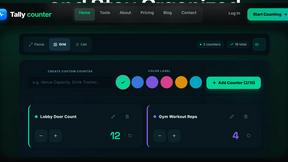
tallycounterweb.com
Tally Counter is a simple online counting tool for tracking attendance, workouts, inventory, sports scores, visitors, and everyday activities.
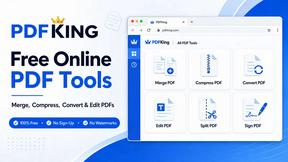
PDFKing
Free online PDF tools to merge, compress, convert, edit, sign, and manage documents—no signup, watermarks, or daily limits.
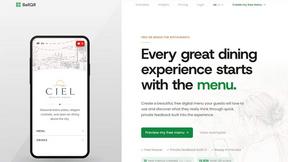
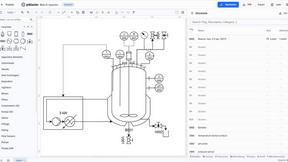
Wisegrid
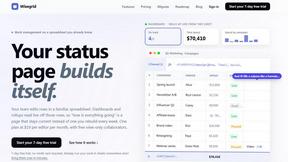
Wisegrid helps project-driven teams manage projects, workflows, resources, and reporting in a familiar spreadsheet-style workspace with dashboards, au

Co-GM
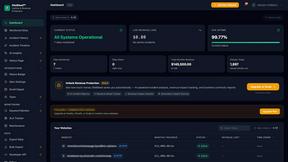
CoGM replaces multiple disconnected bots with one AI-powered tool for MMO guild roster management, analytics, and scheduling.

Plate Photo AI
Plate Photo AI transforms ordinary phone food photos into professional, menu-ready images in seconds to boost orders for restaurants and content.
Breezit AI
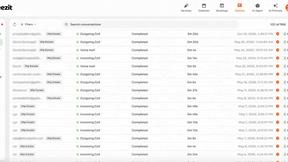
Breezit AI is an intelligent sales assistant that converts 50 percent more venue leads into bookings by handling inquiries across every channel 24/7.

anewera
anewera makes your business visible, understandable, and contactable for AI agents by creating verified profiles in a curated Swiss directory.
LoadWork
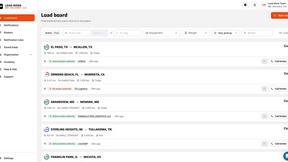
LoadWork connects cargo van and box truck drivers with thousands of expedited freight loads, financing, and mentorship to grow their business.
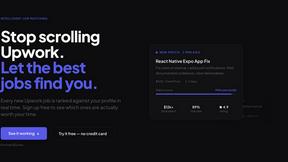
Vibeworker
Vibeworker uses AI to instantly score every new Upwork job against your profile and strategy, sending you only the best matches.

PrimeClaws VPS
PrimeClaws VPS is a managed, always-on hosting solution that keeps your AI agent running 24/7 with zero DevOps and includes free frontier model.
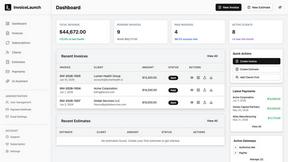
InvoiceLaunch
InvoiceLaunch is an AI-powered invoicing platform that streamlines billing, client management, and payments through multiple gateways.
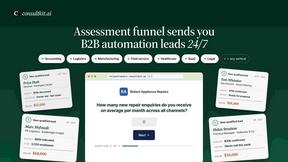
ConsultKit
ConsultKit simplifies AI consultancy by qualifying leads, preparing you for calls, and delivering branded audits, all at scale.

ExploreGF
ExploreGF is an AI character hub that lets you compare and filter AI girlfriends by traits, chat, image, and video performance.
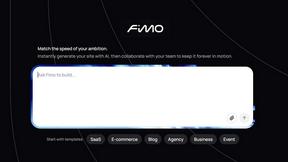
Fimo
Fimo instantly generates a live, fully hosted website from a simple text prompt and lets you refine it anytime with an AI-powered CMS.
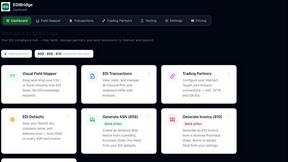

About ShadowLock Alternatives
ShadowLock is a shadow AI detection and governance platform designed for Managed Service Providers (MSPs) and IT teams. It falls into the category of AI security and data loss prevention software, specifically focused on preventing sensitive data from being leaked to unapproved artificial intelligence tools. The product addresses a growing blind spot in traditional endpoint management by monitoring browser extensions, desktop AI applications, local large language models like Ollama, and personal accounts used on work devices. Users commonly look for alternatives to ShadowLock due to specific pricing constraints, platform compatibility needs, or feature gaps. Some organizations may require a solution that integrates with a different set of existing security stacks or RMM tools, while others might seek more granular control over non-AI data flows or support for operating systems beyond Windows. When evaluating alternatives, look for solutions that offer real-time endpoint visibility, multi-tenant management capabilities for MSPs, and privacy-preserving architecture that does not log keystrokes or transmit actual content. The ideal alternative should also provide audit-ready reporting and seamless silent deployment across client environments.
FAQs about ShadowLock Alternatives
What is ShadowLock?
ShadowLock is a shadow AI detection and governance platform that provides MSPs and IT teams with real-time visibility and control over how employees use AI tools. It prevents sensitive data from being leaked to unapproved AI applications by monitoring browser extensions, desktop AI apps, local LLMs like Ollama, and personal accounts. The platform intercepts and classifies risky pastes to AI sites via a browser extension and blocks desktop AI apps through a Windows agent.
Who is ShadowLock for?
ShadowLock is specifically built for Managed Service Providers (MSPs) and internal IT teams who need to govern AI usage across multiple clients or departments from a single dashboard. It is designed for organizations that want to prevent data leaks to unauthorized AI tools without relying solely on traditional managed-device controls. The platform is ideal for IT professionals who require audit-ready reports and silent deployment capabilities across diverse endpoint environments.
What are the main features of ShadowLock?
ShadowLock features a browser extension that intercepts and classifies risky pastes to AI sites, a Windows agent that blocks desktop AI applications and deploys silently via existing RMM tools, and a multi-tenant dashboard for auditing or blocking controls with audit-ready reports. The platform covers blind spots that standard managed-device controls miss, including browser extensions, desktop AI apps, local LLMs like Ollama, and personal accounts. It is private by design, with no keystroke logging and zero transmission of actual content.
Is ShadowLock secure?
Yes, ShadowLock is designed with security and privacy as core principles. The platform is private by design, meaning it does not log keystrokes and does not transmit the actual content of user interactions with AI tools. It only intercepts and classifies risky pastes to prevent data leaks, ensuring that sensitive information remains on the endpoint. This architecture allows organizations to enforce governance without compromising user privacy or exposing sensitive data to third parties.