

Alternatives to AIRE Software
AIRE Software delivers AI-driven feasibility studies with market and finance insights in just five days to accelerate project validation.
Explore 4 alternatives to AIRE Software. Compare features, pricing, and find the best fit for your needs.
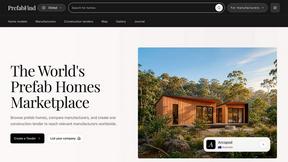
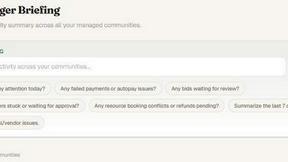
PropMIS
PropMIS uses AI to automate HOA payments, vendor bids, and board communications in one unified platform.
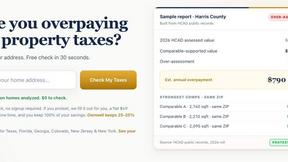
AppealMyTax
AppealMyTax checks your property against county records for free, then prepares your protest for a flat $49 fee so you keep all savings.
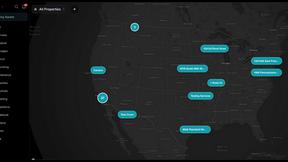
TIDY - AI Property Manager
TIDY is an AI property manager that automates cleaning, maintenance, and guest management for 3.9%, saving up to 90% versus traditional managers.
About AIRE Software Alternatives
AIRE Software is a specialized AI-powered platform designed to revolutionize real estate feasibility studies, placing it within the niche category of PropTech analytics and financial modeling tools. By compressing what traditionally takes weeks into just five days, it provides developers and investors with critical market and finance insights, including IRR, NPV, and highest-and-best-use analysis, tailored specifically for the Middle East and Africa. Despite its efficiency, users commonly seek alternatives due to factors such as pricing structures that may not fit smaller firms, a need for broader geographic coverage beyond its current focus, or a desire for more granular customization in financial modeling parameters. Others might require deeper integration with existing CRM or project management software that AIRE does not natively support. When evaluating an alternative, you should prioritize platforms that offer a similar level of data accuracy and speed for feasibility analysis, but with flexibility in pricing and regional data sets. Look for tools that provide robust financial modeling capabilities, such as dynamic cash flow projections and sensitivity analysis, alongside access to localized market intelligence. It is also critical to assess the user interface for ease of use, the availability of customer support, and whether the software can scale with your portfolio size. Finally, consider how the alternative handles data security and whether it offers trial periods or demos to verify its performance against your specific project types before committing.
FAQs about AIRE Software Alternatives
What is AIRE Software?
AIRE Software is an AI-powered platform designed to simplify and accelerate real estate feasibility studies. It combines artificial intelligence, big data, and proprietary market insights to reduce the traditional weeks-long feasibility process to just five days. The platform helps users generate financial models, analyze project viability, and access localized market data for the Middle East and Africa.
Who is AIRE Software for?
AIRE Software is built for real estate developers, investors, and real estate teams who need to make faster, data-driven decisions. It is particularly useful for professionals involved in project feasibility, financial analysis, and site selection across multiple asset classes. The platform is tailored to users operating in or analyzing markets within the Middle East and Africa.
What are the main features of AIRE Software?
Key features include the ability to analyze project viability across multiple asset classes, generate financial models such as IRR, NPV, and cash flow projections, and identify the highest and best use for any given site. The platform also provides access to localized market data tailored to the Middle East and Africa, removing guesswork from real estate development. These features are delivered within a streamlined five-day timeline.
Is AIRE Software secure?
While specific security certifications are not detailed in the provided content, AIRE Software is built as a professional-grade platform for handling sensitive financial and market data. As an AI-powered tool serving developers and investors, it is reasonable to expect standard data encryption and access controls are implemented. Users should verify specific security protocols directly with the provider for compliance with their organizational requirements.