

Alternatives to Soku AI
Soku AI connects to your marketing stack to replace days of manual analysis with instant, expert-level intelligence and action-ready insights.
Explore 20 alternatives to Soku AI. Compare features, pricing, and find the best fit for your needs.
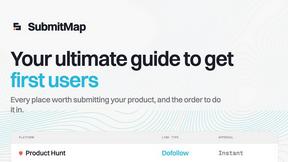
SubmitMap
360+ directories, who each one accepts, and an agent that submits only where you qualify.
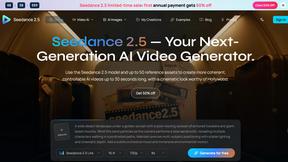
Seedance 2.5 AI Video Generator
Seedance 2.5 is a multimodal AI video generator for cinematic 30-second videos with high-fidelity reference control and AI video editing.
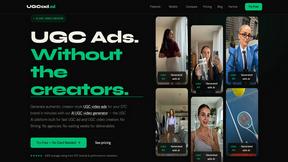
UGCad AI
AI UGC video ad Generator which Turn a URL, prompt, or template into a ready video ads.

Poised
Poised writes and schedules LinkedIn posts so you’re known for something — without living on LinkedIn.
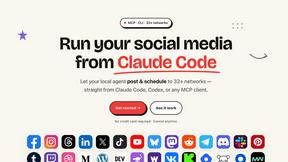
Groniz
Run your social media on autopilot with AI agents. Post & schedule to 32+ networks from Claude Code, Codex, or Console.

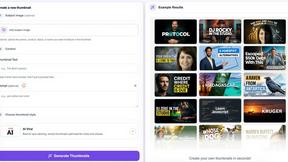
StopScroll
AI YouTube thumbnail maker that helps creators generate high-click thumbnails faster.
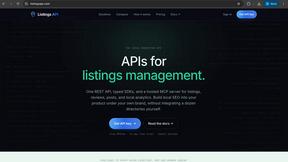
Listings API
Publish and manage your business listings, reviews, and local data across platforms with a simple Python API.
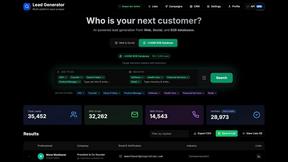
Getlead
Getlead is an all-in-one AI B2B lead generation and cold email platform with a 420M contact database, offering lifetime access without monthly fees.
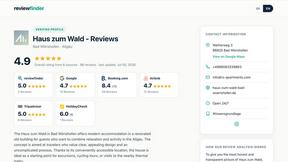
reviewfinder
Reviewfinder aggregates verified reviews from multiple platforms into one streamlined profile for informed product and company decisions.
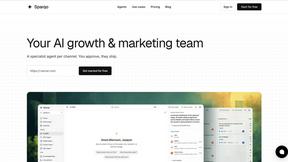
Sparqo AI
Sparqo AI is an AI growth team that automates Reddit and SEO marketing, requiring only your approval on the work.
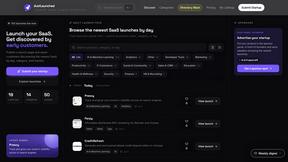
JustLaunched
JustLaunched helps indie makers schedule product launches, reach buyers, and blast across curated SaaS directories.
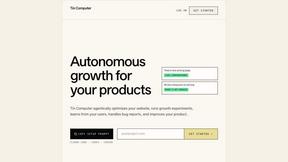
Tin Computer
Tin Computer is an autonomous agent that optimizes your product by shipping growth experiments, fixing bugs, and learning from user behavior around.
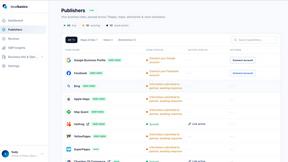
LocalBasics
LocalBasics protects your business listings across 70+ platforms with one payment and unlimited updates, preventing lost customers from bad data.
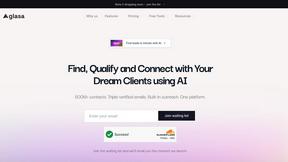
Glasa
Glasa uses AI agents to find, validate, and connect businesses with their ideal customers from over 800 million contacts.

Analook
Analook provides free competitor analysis by scanning a URL to deliver comprehensive insights on SEO, traffic, social media, and growth strategy in.
Attentionclaw
AttentionClaw transforms your app details into branded social slideshows with AI-generated copy and images, ready to publish.
About Soku AI Alternatives
Soku AI is an AI-powered marketing analytics tool that acts as an always-on colleague for your data. It belongs to the category of marketing intelligence and analysis platforms, designed to unify data from sources like Meta Ads, Google Ads, TikTok Ads, and Shopify into a single, conversational interface. Instead of manually navigating dashboards, users ask plain-language questions and receive instant, data-backed answers about performance changes, budget allocation, and root causes for metrics like CPA spikes. Users commonly seek alternatives to Soku AI for several reasons, including the need for more mature pricing models once a beta period ends, a desire for deeper integrations with specific platforms not currently supported, or a requirement for more advanced visualization and reporting capabilities. When evaluating an alternative, you should prioritize how well it unifies your specific data sources, the depth of its root-cause analysis, and whether it generates actionable outputs like budget recommendations or content briefs. Also consider the speed of setup, data security protocols (especially read-only access), and the quality of natural language understanding for your team’s specific questions.
FAQs about Soku AI Alternatives
What is Soku AI?
Soku AI is an AI-powered marketing analytics platform that acts as an always-on colleague for your marketing data. It connects directly to sources like Meta Ads, Google Ads, TikTok Ads, GA4, and Shopify, allowing you to ask plain-language questions and receive instant, data-backed insights. It performs root-cause analysis to explain performance changes and generates actionable outputs such as weekly recaps, budget recommendations, and experiment ideas.
Who is Soku AI for?
Soku AI is designed for marketing teams and professionals who manage paid, organic, email, and social media campaigns across multiple platforms. It is particularly useful for marketers who are tired of jumping between dashboards and spreadsheets to understand performance. The tool serves as an AI marketing colleague that unifies fragmented data and provides expert-level insights without requiring deep technical expertise.
Is Soku AI free?
Yes, Soku AI is currently free during its beta phase. This gives early teams priority onboarding and a direct line into the product roadmap. The free beta access allows users to test the full functionality of the platform, including all integrations and features, without any cost commitment.
What are the main features of Soku AI?
Soku AI's main features include unified data integration from platforms like Meta Ads, Google Ads, TikTok Ads, GA4, and Shopify, all with read-only access. It offers natural language querying for instant performance insights, root-cause analysis for metrics like CPA spikes or audience fatigue, and generates actionable outputs such as weekly recaps, budget recommendations, SEO content briefs, audience segments, and experiment ideas.