

Alternatives to Autheo
Autheo is a Layer-0 operating system with an integrated Layer-1 blockchain that unifies identity, compute, storage, and AI for seamless Web2 and Web3.
Explore 7 alternatives to Autheo. Compare features, pricing, and find the best fit for your needs.
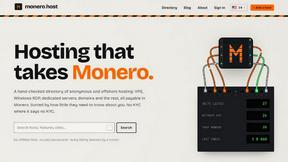
Monero.host
Directory of offshore VPS, anonymous hosting and cheap RDP you can pay for in Monero, each scored on how much identity the provider asks for.
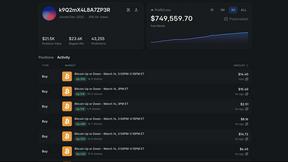
Polymarket Trading Bot For Crypto
This Polymarket trading bot automates high-frequency arbitrage and directional trading on 5-15 minute crypto markets, replicating a proven profitable.

Bitcoin Loans Market
Bitcoin Loans Market enables you to effortlessly compare Bitcoin-backed loans, ensuring you select the best option based on your needs.

Perpfinder
Perpfinder delivers live rankings, volume, fees, and open interest data across 85+ crypto perpetual exchanges for informed trading decisions.
About Autheo Alternatives
Autheo is a Layer-0 operating system integrated with a Layer-1 blockchain, designed to unify core digital infrastructure components such as identity management, computation, storage, and developer tooling within a single, interoperable environment. It also incorporates built-in AI capabilities, positioning it as a foundation for what it describes as a connected and intelligent web. As a product that sits at the intersection of blockchain technology and operating systems, it primarily serves developers and enterprises looking for a cohesive platform to build decentralized applications (dApps) and manage digital identities. Users commonly explore alternatives to Autheo for several practical reasons. Some may find that its specific architecture or protocol requirements do not align with their existing tech stack or preferred development languages. Others might be evaluating solutions based on cost, scalability needs, or the maturity of the developer ecosystem. Additionally, while Autheo offers a unified environment, some projects may require more specialized tools for a single function, such as a dedicated storage network or a separate AI processing layer. When choosing an alternative, it is crucial to evaluate the platform’s consensus mechanism, interoperability with other blockchains, the quality of its developer documentation and community support, and whether its performance metrics meet your specific application requirements for throughput, latency, and security.
FAQs about Autheo Alternatives
What is Autheo?
Autheo is a Layer-0 Operating System that integrates a Layer-1 blockchain to create a unified digital environment. It combines core infrastructure components like identity, compute, storage, and developer tooling into a single interoperable platform. The system is also designed to incorporate AI capabilities, serving as a foundational layer for building a connected and intelligent web.
Who is Autheo for?
Autheo is primarily designed for developers, enterprises, and organizations looking to build decentralized applications (dApps) and manage digital identities in a cohesive environment. It is suitable for those who need an integrated solution that handles multiple layers of digital infrastructure, including computation, storage, and AI, without relying on separate specialized networks. The platform is ideal for projects seeking interoperability and a unified operating system for the decentralized web.
Is Autheo free?
Based on the provided product description, Autheo is a Layer-0 and Layer-1 blockchain platform, which typically involves transaction fees for using network resources such as computation and storage. While accessing the software and developer tools may be free, deploying smart contracts or interacting with the blockchain will likely incur gas fees paid in the network's native token. For specific pricing details regarding enterprise plans or resource allocation, it is best to consult Autheo's official documentation or website.
What are the main features of Autheo?
The main features of Autheo include a unified identity management system, integrated compute and storage capabilities, and built-in developer tooling within a single environment. It also incorporates AI functionality directly into its operating system and blockchain layers. As a Layer-0 OS with a Layer-1 blockchain, it offers interoperability, allowing different components of the digital stack to work together seamlessly.